-
Franck et Muriel dans leur Cargol -
-
Tour de Terre(s), Afrik Est : Kenya Ouganda Rwanda
-
En terres Masaï
Kajiado, Kenya - Polarsteps
👉 Meilleure mise en page avec plus de photos : https://www.magicargol.fr/carnet/kenya/t/1535198
👉 Text in English a little lower down
____________________________________
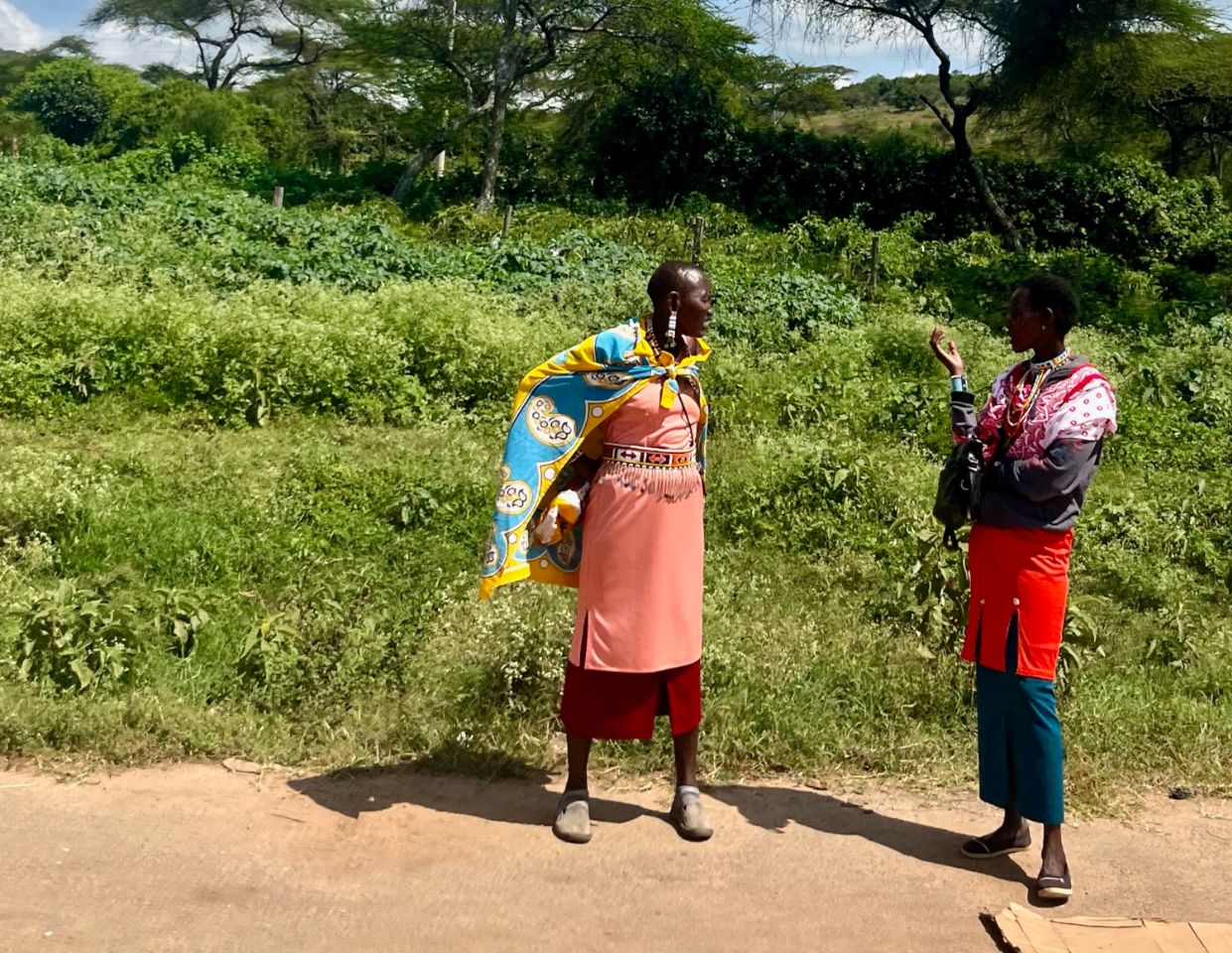
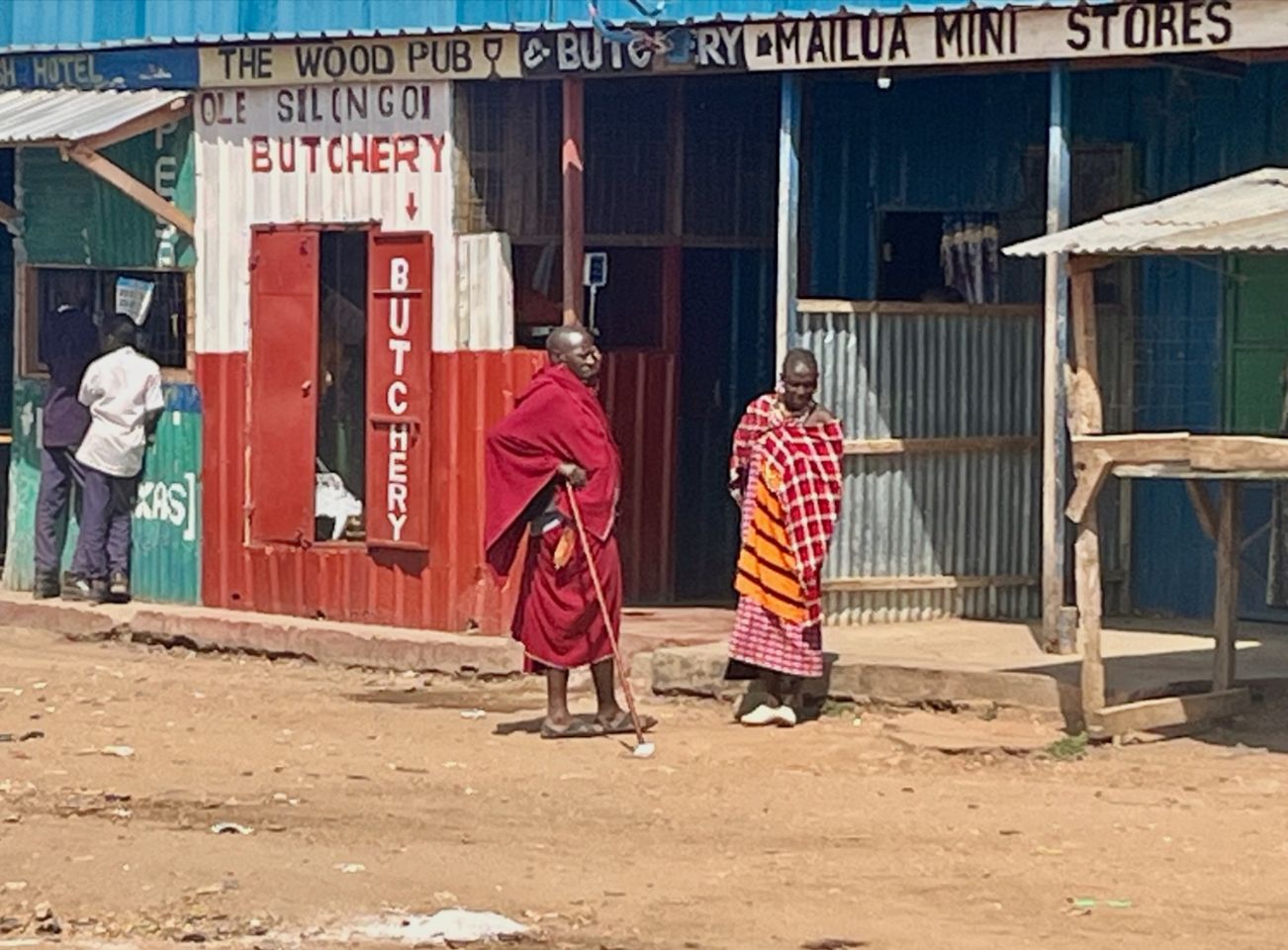
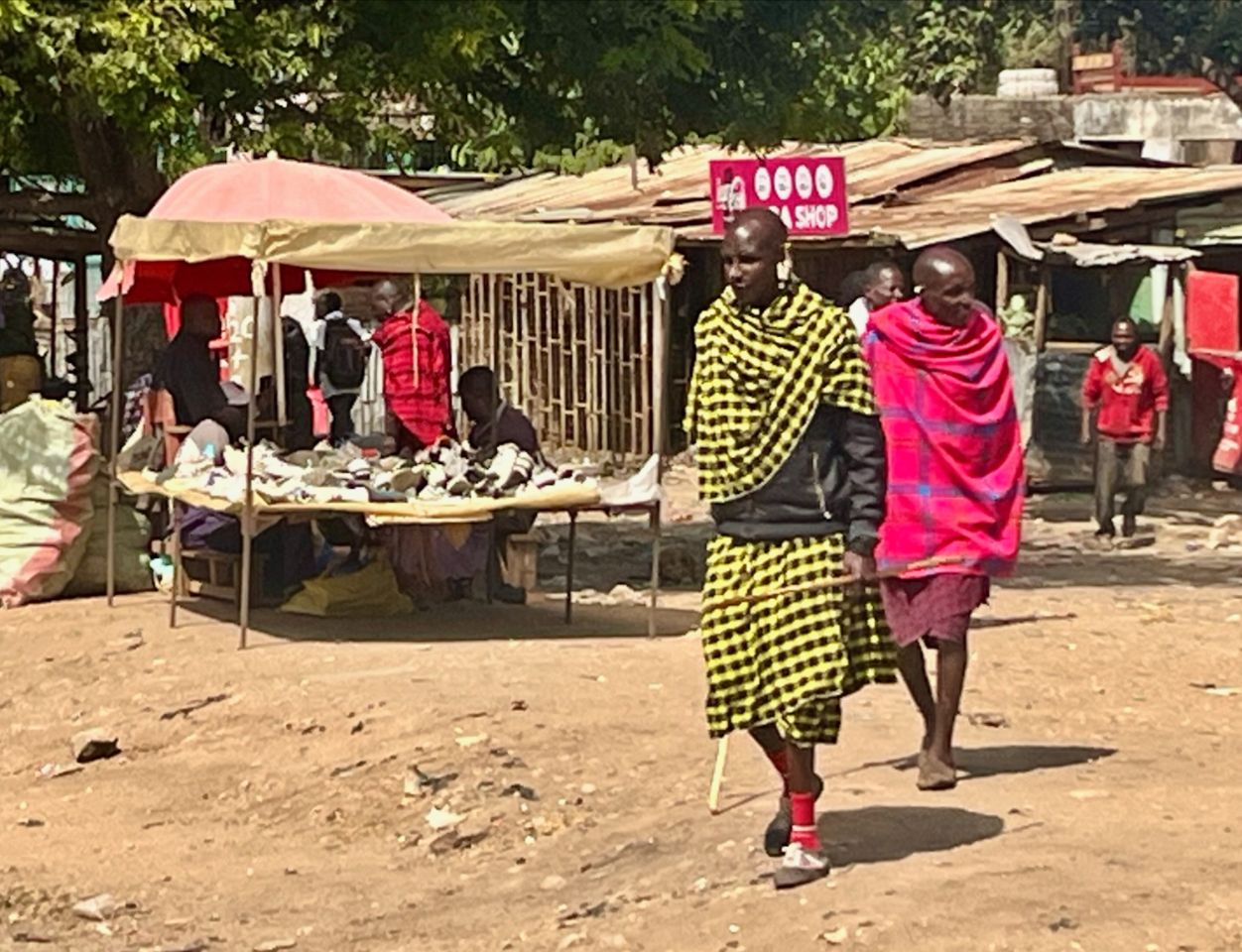
Au fur et à mesure que nous avançons en longeant la Tanzanie, ben les Masaïs, tu peux pas les rater, y'en a partout. Normal me diras-tu, nous sommes un peu sur leurs terres. Dans le genre très facile à reconnaître : tissu en guise d'habits type couverture à carreau à dominante rouge (mais peut varier en fonction des tribus) un bâton plus ou moins long à la main, le long des routes ou à côté de petits troupeaux, biquettes, moutons ou vaches. En général des lobes d'oreilles qui pendouillent et parfois des bijoux essentiellement à base de petites perles, notamment les femmes autour du cou.
Le Masaï d'avant : émigrés depuis le sud Soudan vers le XV° siècle, c'était une population de semi-nomades éleveurs et chasseurs vivant principalement dans le centre et sud-ouest Kenya, ainsi que dans le nord Tanzanie. Régions parfois arides, l'apport de liquide était essentiellement effectué grâce au lait ou au sang de leurs bêtes, en pratiquant de petites saignées.
Le Masaï de maintenant : Nomades plus vraiment non. Avec l'arrivée du Tourisme et des parcs nationaux, certains ont été priés de quitter leurs pâturages habituels pour être installés en bordure des parcs. Mais la plupart ont pu rester sur place, et même dans les parcs ou réserves. Les agences en ont souvent fait un pur produit touristique avec visites de villages, danses et tout le tintouin, voire au pire un bed et breakfast en boma locale (la case). Le Masaï a vite compris la manne touristique. Difficile pour nous Mzungu (blanc) d'approcher un Masaï sans qu'il y ait un rapport d'argent. Les enfants vont à l'école et la notion de communauté, de tribus est très forte. Bien ancrés dans le développement local, ils gardent cependant leurs traditions, notamment au niveau des bomas et de leur cheptel, entourés d'enclos en branches d'acacias impénétrables qui protègent ainsi bêtes et habitations sur un tout petit périmètre.
_______________________________________________
As we make our way along the Tanzanian border, you can't miss the Masai, they're everywhere. You might say that's normal, as we're on their land to some extent. They're easy to recognise, wearing cloth like a predominantly red blanket (although this can vary from tribe to tribe), holding a stick of varying lengths, standing along roadsides or next to small herds of sheep, goats or cows. In general, they wear dangling earlobes and sometimes jewellery, mainly made of small beads, especially around the necks of the women.
Earlier Masai: emigrated from southern Sudan around the fifteenth century, this population of semi-nomadic breeders and hunters lived mainly in central and south-western Kenya, as well as in northern Tanzania.
The Masai of today : Nomads no longer really no. With the arrival of tourism and the national parks, some were asked to leave their usual pastures and settle on the edge of the parks. But most were able to stay where they were, even in the parks or reserves. The agencies have often turned this into a purely tourist product, with village visits, dances and all the rest, or at worst a bed and breakfast in a local boma (hut). The Masai were quick to grasp the tourism windfall. It's difficult for us Mzungu (white) people to approach a Masai without there being a money connection. The children go to school and the notion of community and tribe is very strong. Although they are firmly rooted in local development, they retain their traditions, particularly with regard to the bomas and their livestock, which are surrounded by impenetrable acacia branch enclosures that protect the animals and their homes within a very small perimeter.



Country Guides:
Kenya