-
Franck et Muriel dans leur Cargol -
-
Tour de Terre(s), Afrik Est : Kenya Ouganda Rwanda
-
Sipi, le Tourisme du café
Kapkwirwok, Uganda - Polarsteps
👉 Meilleure mise en page et plus de photos : https://www.magicargol.fr/carnet/ouganda/t/1613071
👉 English text a little further down
____________________________________
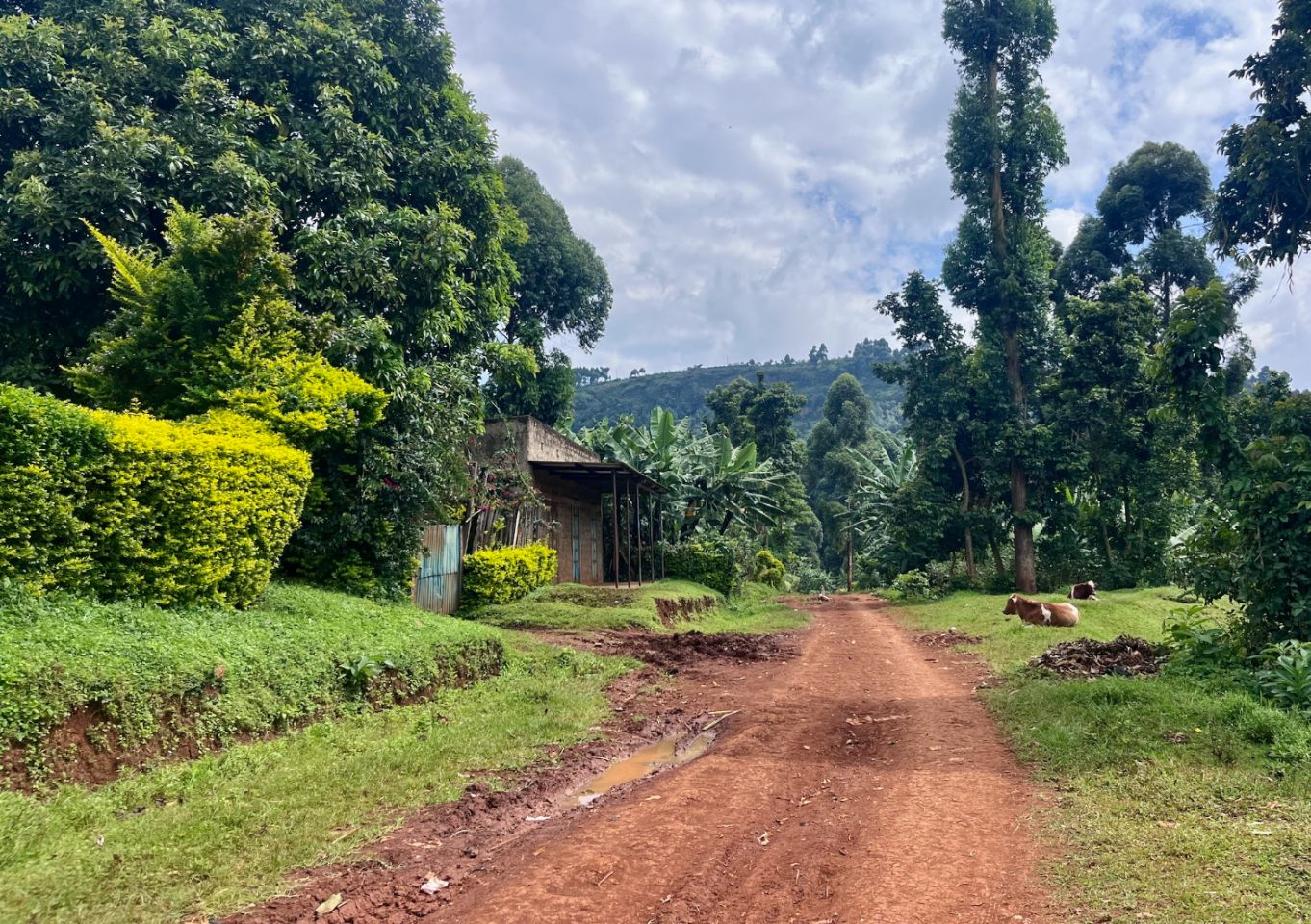
Culture des bananes et culture du café... Ici pas de grandes exploitations sur ces pentes du Mont Elgon. Des tous petits lopins de terre avec chacun leur famille, maison "en dur" ou en format de case. Bananes et caféiers, c'est l'essentiel de la production qui permet de ramener un peu d'argent pour ces familles.
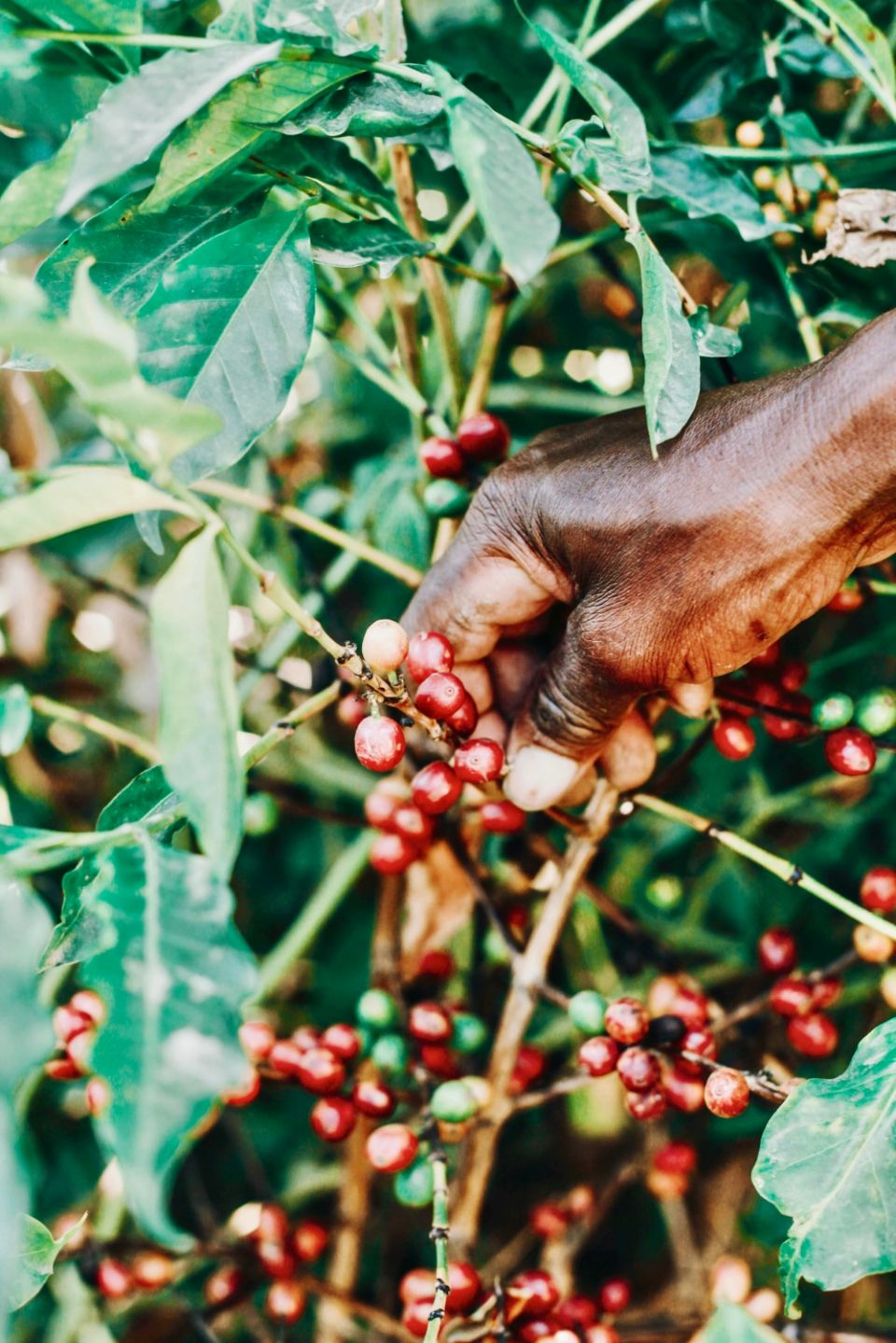
Là encore, ils essayent d'en faire un petit business. Chaque guide a son filon, sa petite famille qui va t'amener voir la plante (sorte de gros arbuste qui ressemble un peu à un laurier), te faire toucher la "cerise", rouge quand elle est mure, te faire enlever la coque, te montrer l'étape du séchage, te faire pilonner tes petits grains, les faire infuser et t'en faire faire glouglou dans leur tasse. Évidemment ce circuit guidé à un coût et l'éventuel sachet de moins 500g à la sortie que tu payes quasi 10 fois le prix local 😳.
Le problème est bien là. Nous aurions sans doute volontiers fait ce genre de tour guidé mais nous ne voulons pas rentrer dans ce système où le blanc est vraiment pris pour une vache à billet et non plus comme un touriste sympa avec lequel il pourrait y avoir un véritable échange. Un tour guidé pour 4 personnes, c'est un mois de salaire local, faut pas exagéré non plus non ?
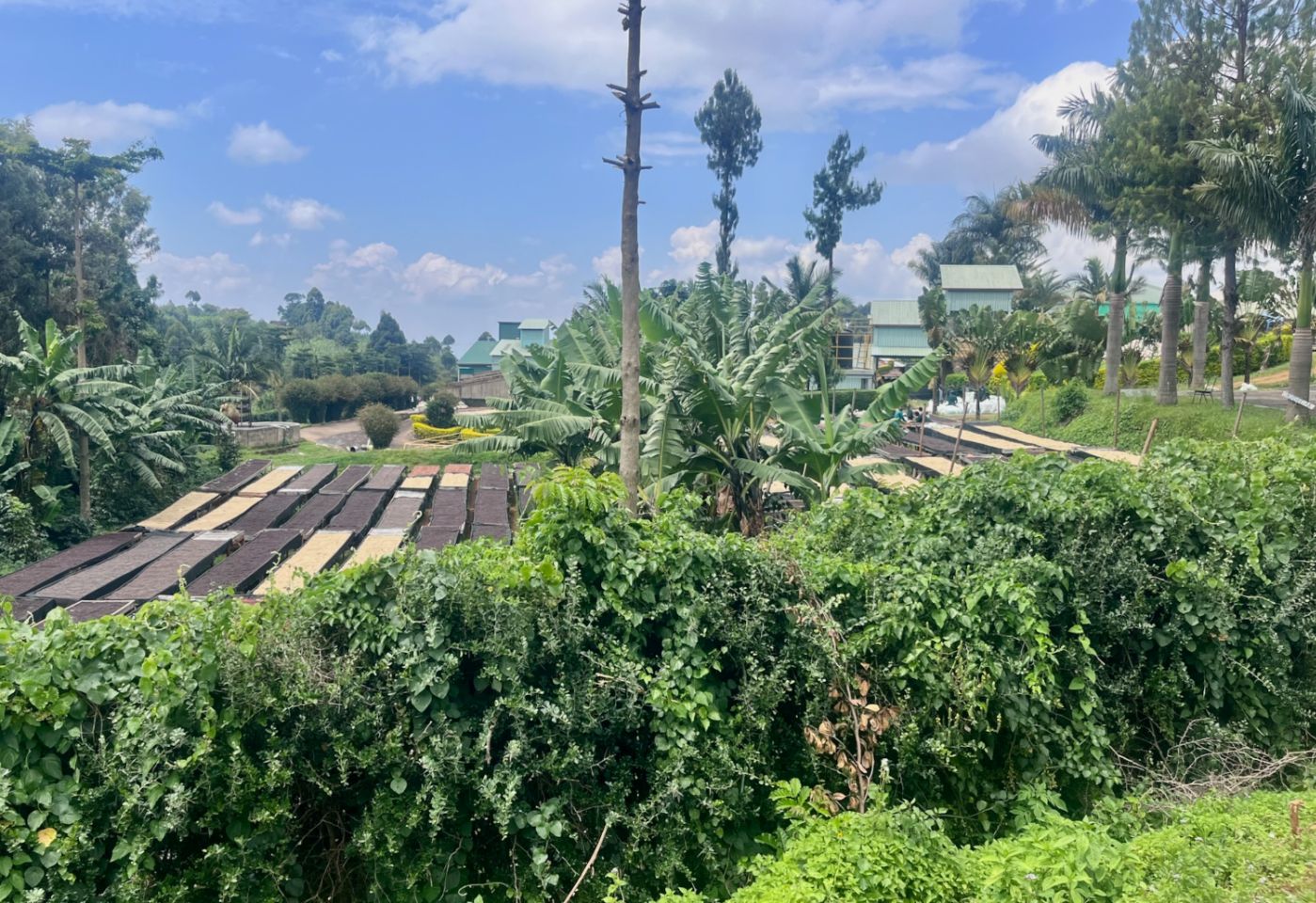
Donc nous avons fait notre petit tour à nous, traîné dans les chemins du coin, trouvé la coopérative, rencontré et parlé avec des locaux et sans doute en avons plus appris du réel business du café local. Busigu, tel est le nom de cet arabica cultivé sur les pentes de ce mont. Malheureusement pas de torréfaction dans le secteur de Sipi, toute la production locale de grains séchés part vers la capitale puis vers l'export. Nous n'avons pu visiter l'intérieur de l'usine (fallait l'accord de la maison mère à Kampala). Elle se contente d'acheter les grains aux petits fermiers, d'en effectuer le tri, le séchage et la séparation de la coque. Ils achètent avec un cours du jour, affiché à l'entrée, variable suivant l'état brut de la cerise rouge (0,70€ kg) ou coque déjà séparé et séchée (3,1€).
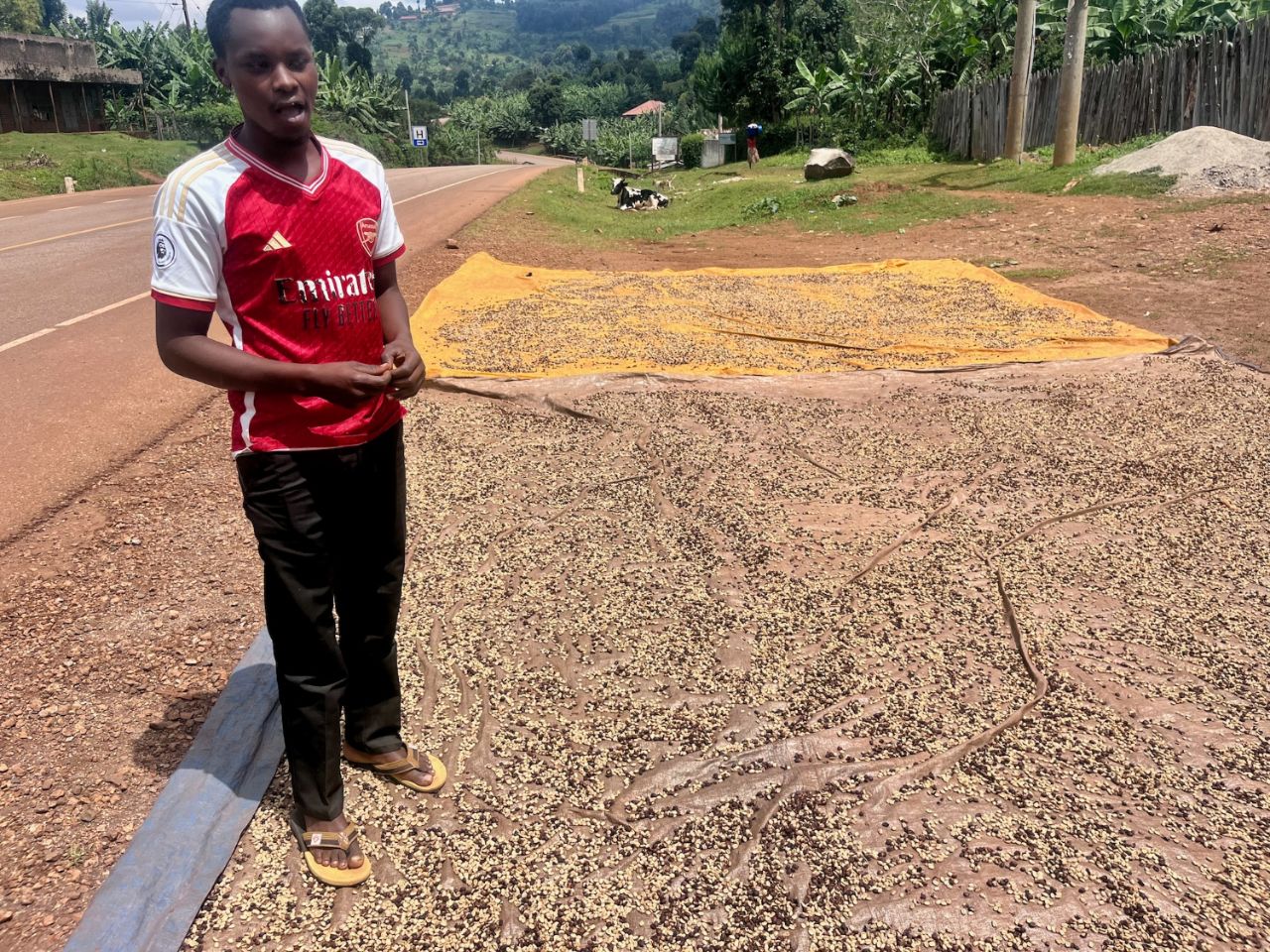
C'est pour cela que le long des routes ou ailleurs tu vois par terre et bien étalé des grains à sécher. L'un deux nous confiera qu'il est plus intéressant d'amener ses grains à Mbale ville dans la vallée où ils seront achetés à quasi 4€ le kilo.
Nous repartirons de Sipi avec un sachet de grains, probablement grillés dans un poêlon au feu de bois, sachet payé juste 2 fois son prix local, cette fois avec le sourire et la satisfaction d'avoir contribué intelligemment à la vie locale.
ℹ️ Entreprise Kawacom (1.358664, 34.389567)
_______________________________________________
Growing bananas and coffee... There are no large farms here on the slopes of Mount Elgon. Just tiny plots of land, each with its own family, a ‘hard’ house or a hut. Bananas and coffee are the main crops that bring in a bit of money for these families.
Here again, they try to turn it into a small business. Each guide has his own little family who will take you to see the plant (a kind of large shrub that looks a bit like a laurel tree), have you touch the ‘cherry’ (red when ripe), have you remove the hull, show you the drying stage, have you crush your little beans, brew them and have you gobble them up in their cup. Of course, this guided tour comes at a price, and you may end up paying almost 10 times the local price for the 500g-less bag 😳.
That's the problem. We would probably have gladly done this kind of guided tour but we don't want to get into this system where the white person is really taken for a cash cow and no longer as a nice tourist with whom there could be a real exchange. A guided tour for 4 people is equivalent to a month's local salary, which is no exaggeration, is it?
So we did a little tour of our own, wandered around the local roads, found the cooperative, met and talked to the locals and no doubt learned more about the real business of local coffee. Busigu is the name of the arabica grown on the slopes of this mountain. Unfortunately, there is no roasting plant in the Sipi area, and all the local production of dried beans is sent to the capital and then for export. We were unable to visit the inside of the factory (the parent company in Kampala had to agree). The factory simply buys the grain from small farmers, sorts it, dries it and separates it from the husk. They buy at a daily price, displayed at the entrance, which varies depending on whether the red cherry is raw (€0.70 kg) or already separated and dried (€3.1).
That's why, along the roadsides or elsewhere, you'll see cherries spread out on the ground to dry. One of them told us that it's better to take his beans to the town of Mbale in the valley, where they can be bought for almost €4 a kilo.
We left Sipi with a bag of beans, probably roasted in a wood-fired pan, which we paid just twice the local price for, this time with a smile on our faces and the satisfaction of having made an intelligent contribution to local life.
ℹ️ Entreprise Kawacom (1.358664, 34.389567)

Country Guides:
Uganda